
Crown or Filling? How Dentists Assess a Damaged Tooth
Blog:Crown or Filling? How Dentists Assess a Damaged Tooth
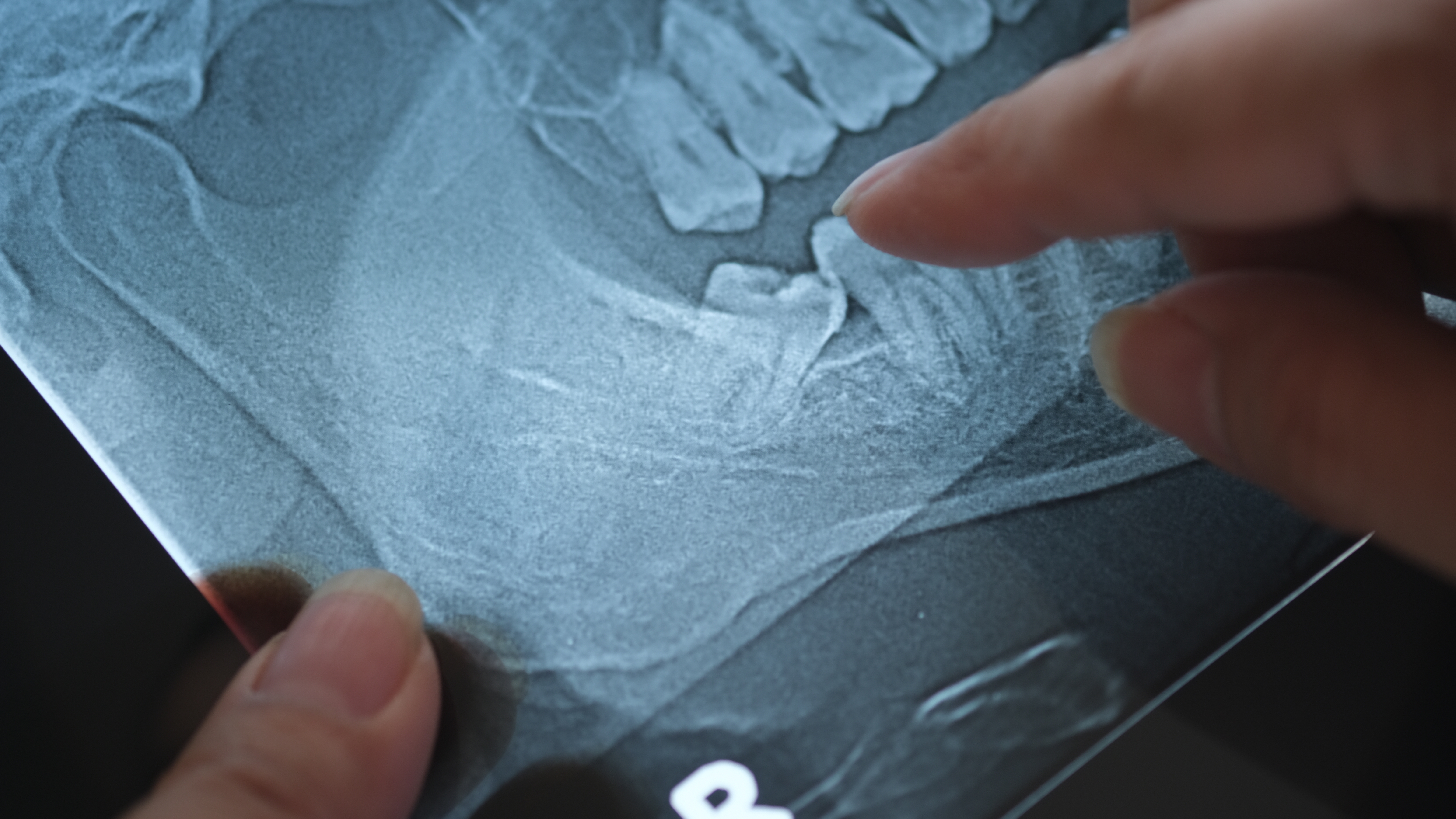
When a tooth is damaged by decay, a crack, an old restoration, or everyday wear, one of the first questions patients often have is whether they need a filling or a crown. Both treatments can restore damaged teeth, but they are designed for different situations.
At Saddler Family Dentistry in Berkeley, we evaluate how much healthy tooth structure remains, where the damage is located, and how much pressure the tooth handles before recommending the appropriate restoration.
When Is a Filling Usually Enough?
A dental filling is commonly used when decay or damage affects a relatively small portion of the tooth. The damaged area is removed, the tooth is cleaned, and the remaining space is restored with filling material.
At our Berkeley practice, we offer tooth-colored fillings that can repair cavities while blending naturally with the surrounding tooth.
A filling may be appropriate when the tooth still has enough healthy structure to support normal chewing forces. The goal is to remove the damaged portion while preserving as much natural tooth as possible.
When Does a Tooth Need a Crown?
A crown covers and protects more of the visible tooth. It may be recommended when the tooth is too weakened or extensively damaged for a filling to provide reliable support.
Situations that may lead us to consider a crown include:
A large cavity that removes significant tooth structure
A cracked, chipped, or fractured tooth
A tooth weakened by a very large existing filling
Significant wear caused by grinding or other forces
A tooth that has undergone root canal treatment
An older crown or restoration that is failing
At Saddler Family Dentistry, we also offer CEREC same-day crowns, allowing many eligible Berkeley patients to receive a custom ceramic crown in a single appointment.
How Does the Dentist Decide Between the Two?
The decision is not based only on the size of the cavity. We look at the overall strength of the tooth and how the remaining structure is likely to handle everyday biting and chewing.
A large filling placed in a severely weakened tooth may leave thin areas of enamel that are more vulnerable to fracture. In that situation, a crown may provide better coverage and protection.
On the other hand, removing additional healthy tooth structure for a crown may not be necessary when a smaller filling can predictably restore the tooth.
Our goal is to choose the most conservative treatment that still provides adequate strength and function.
Do Cracks Always Require a Crown?
Not necessarily. Small surface cracks can be different from deeper fractures that compromise the strength of the tooth.
During an examination, we consider the location and extent of the crack, whether the tooth hurts when biting, and how much healthy structure remains. Dental X-rays or additional testing may also be used when needed.
Some cracks can be monitored or treated conservatively, while others may require a crown to hold the tooth together and reduce the risk of further damage.
What if the Tooth Already Has a Large Filling?
Older fillings can wear, crack, or develop decay around their edges. If enough healthy tooth remains, replacing the filling may still be possible.
When a large restoration has already replaced much of the tooth, however, another filling may not provide enough structural support. A crown may then be recommended to cover and reinforce the remaining tooth.
Waiting until a weakened tooth breaks can sometimes make treatment more complicated, so persistent sensitivity, pain when chewing, or a damaged filling should be evaluated promptly.
If you have a cracked, decayed, or damaged tooth and are unsure whether you need a filling or crown, contact Saddler Family Dentistry at 1504 Alcatraz Ave, Berkeley, CA 94703 by calling (510) 443-4300 to schedule an evaluation.
Helpful Articles

All Dental Services
We offer a wide variety of dental services to the Berkeley community. Contact us with any questions about our services.

Keep In Touch
For non-urgent questions or to learn more about our services, contact us today!
Quick Links
Our Services
Contact Info
Hours of Operation
Hours of Operation
- Monday 9:00am - 5:30pm
- Tuesday 9:00am - 5:30pm
- Wednesday 9:00am - 5:30pm
- Thursday 9:00am - 5:30pm
- Friday Closed
- Saturday Closed
- Sunday Closed
- Monday
- Tuesday
- Wednesday
- Thursday
- Friday
- Saturday
- Sunday
- Monday
- Tuesday
- Wednesday
- Thursday
- Friday
- Saturday
- Sunday
© 2026 Saddler Family Dentistry. All rights Reserved - Accessibility Statement - Privacy Policy - Sitemap
Managed and Designed by 